
Post-Surgery Recovery
Rehabilitation helps you turn surgical healing into stronger, more confident movement. Bloom guides you from early recovery back to daily life, exercise, or sport.
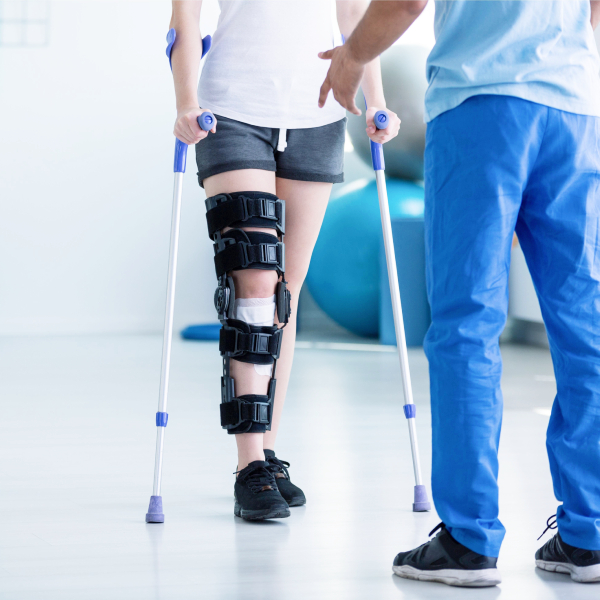
Common symptoms and challenges we help with
Recovery looks different depending on the procedure, healing stage, and goals. Post-surgical rehabilitation may help with:
- Pain, swelling, or sensitivity around the surgical area
- Joint stiffness or limited range of motion
- Weakness or muscle loss after rest or immobilization
- Scar tightness, pulling, numbness, or reduced mobility
- Difficulty walking, climbing stairs, lifting, reaching, or getting dressed
- Poor balance or reduced joint control
- Fear of using the surgical area normally
- Compensation in other parts of the body
- Difficulty progressing from basic exercises to higher-level activity
- Preparation for returning to work, running, lifting, or sport
- Recovery after orthopedic procedures involving the spine, shoulder, elbow, wrist, hip, knee, foot, or ankle
How we can help
Movement system evaluation
We assess how the surgical area is affecting movement across the rest of your body. This helps us address compensation and build a plan that supports both tissue healing and whole-body function.
Strength & functional testing
Testing tracks range of motion, strength, balance, control, and functional milestones appropriate to your stage of recovery. Your progress is based on measurable readiness, not only the number of weeks since surgery.
Manual therapy
Hands-on treatment may help improve joint mobility, reduce stiffness, and make movement more comfortable. Techniques are selected according to surgical precautions and the stage of tissue healing.
Instrument-assisted soft tissue mobilization (Graston®)
Once healing allows, specialized tools may help improve scar and soft tissue mobility. Treatment is used carefully and only when it supports your movement goals.
Cupping therapy
Gentle suction may be used to improve tissue glide around healed scars or areas of soft tissue restriction. It is introduced only when the incision and surrounding tissue are ready.
Shockwave therapy
Once healing allows, shockwave therapy may help address persistent scar tissue, tendon pain, or soft tissue restriction near the surgical site. It is used only after an evaluation and as part of a broader rehabilitation plan.
Therapeutic taping (Kinesio tape & Leukotape)
Taping may help with swelling, support, movement awareness, or temporary symptom relief. The technique is selected based on your procedure and current stage of recovery.
Therapeutic exercise
Your exercise program progresses from restoring mobility and basic activation to rebuilding strength, endurance, and higher-level function. Each step is adjusted to your symptoms, precautions, and goals.
Neuromuscular re-education
We retrain balance, joint control, coordination, and confidence after surgery. This is especially important when the body has learned to guard, compensate, or avoid using the surgical area.
Patient education
You will receive clear guidance about precautions, activity progression, swelling management, and what to expect during recovery. We also help you understand which symptoms are normal and when to contact your surgeon.
Home exercise program
Your home program reinforces the most important priorities for your current stage. It is updated as you move from protection and mobility toward strength, function, and return to activity.
Pricing
Move forward after surgery with a structured plan built around your recovery goals.